

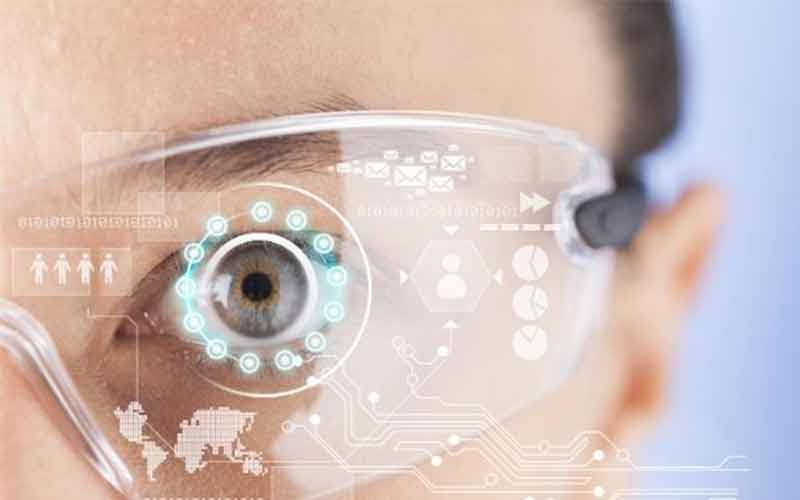
Wearables are any electronic device designed to be worn on the user’s body. They come in a variety of forms, including clothing, jewelry, medical devices, and accessories. These devices refer to computing or communication capabilities, but in reality, the complexity can vary among wearables. One such technology that is widely used is advanced smart lenses or virtual reality (VR) headsets.
Wearable gadget technology
The most sophisticated examples of wearable technology include artificial intelligence (AI) hearing aids, Google Glass and Microsoft HoloLens, a holographic computer in the form of a virtual reality (VR) headset, and a disposable skin patch with a sensor that wirelessly transmits a patient’s health information to a control device in a healthcare facility.

How does wearable technology work?
Modern wearable technology has many capabilities. From smart jewelry or watches to fitness trackers, virtual reality headsets, Bluetooth headsets, and web-enabled glasses, it is expected that the variety of uses for these products will increase with wearable technology, such as advanced smart lenses.
Wearable gadgets have different functions according to categories such as health, fitness or entertainment. This technology typically works with internet connectivity, batteries and microprocessors to synchronize the collected information with other electronic devices such as mobile phones or laptops.
Built-in sensors in wearable gadgets
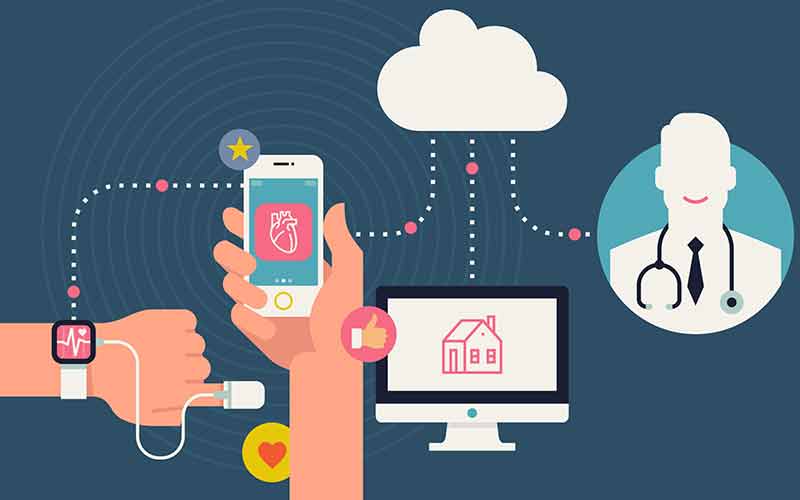
Computers, smartphones, or smart tags continue to evolve and improve, capable of tracking the user’s movements. A common factor among these wearable tech gadgets, such as advanced smart lenses or VR virtual reality, is the fact that they all monitor data in real time.
What are some uses of wearable technology?
Wearables include consumer electronics, such as smartwatches and fitness trackers. With advances in artificial intelligence, the Internet of Things (IoT), and gadgets, various applications are being made to improve people’s health and access to more technology in navigation systems, sporting goods, and advanced textiles.
The most important uses of wearable gadgets
The following are some of the most popular current and next-generation applications of wearable technology that can play a significant role in the development of technology in various sectors:
Epidermal skin technology
For biomedical innovations, Terasaki Institute has invented wearable electronic skin technology to monitor people’s health. With the next generation of wearable gadgets, this ultra-thin electronic skin patch can be attached to the user’s chest area using a water spray, along with a small wireless transmitter, and can be worn for up to a week.
It is sensitive enough to receive and record electrical signals such as heart rate and muscle movements, which can be sent via the cloud to healthcare providers so they can remotely monitor the user’s vitals. This powerful wearable is a stepping stone to monitoring chronic diseases such as heart failure and diabetes.
Smart fashion and clothing with wearable gadgets
Clothing known as smart clothing or smart fashion has become increasingly popular in the past few years. Smart jackets are made of electrical fibers and allow the wearer to answer calls, play music or take photos directly through their sleeves. You can follow the latest technology information with Robin Web.