

In modern agriculture, innovation is more important than ever. The industry is facing major challenges. Labor shortages, rising resource costs, and changing consumer preferences are all evident. Fortunately, smart agriculture, also known as agtech, is here to help. That’s why it’s safe to say that the future of agriculture in the modern world will play a big role.
Modern agricultural practices
This new concept refers to the use of technology in agriculture and modern farming practices to increase the efficiency, productivity, and sustainability of food production. The industry includes several different types of technology such as precision agriculture, smart irrigation, biotechnology, and automation.
In addition, there are significant technological advances in areas such as indoor farming, livestock technology, modern greenhouse practices, artificial intelligence, and blockchain.
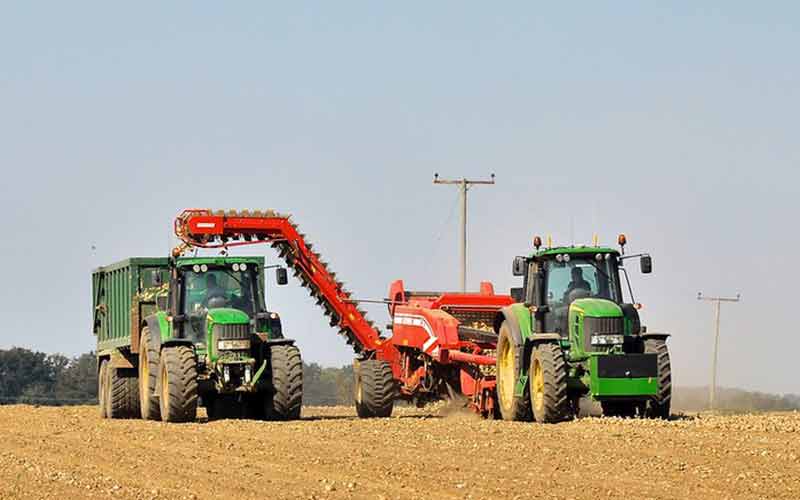
New agricultural technology
When new agricultural technology is applied in closed environments, it has the potential to improve crop yields and can also play a role in the supply chain, the impact of agriculture on the environment. This new concept can be defined as a program of smart agriculture and the growth of crops in a closed and controlled environment.
Its main feature is that it can significantly reduce the amount of land space required to grow plants compared to traditional farming methods. Modern vertical farming has the added value of not requiring soil in some environments to grow plants.
Most are either hydroponics, where plants are grown in a container of water fed with nutrients, or aeroponics, where the plant’s roots are systematically nourished with water and nutrients. But it’s important to note that vertical farms use up to 70 percent less water than traditional farms.
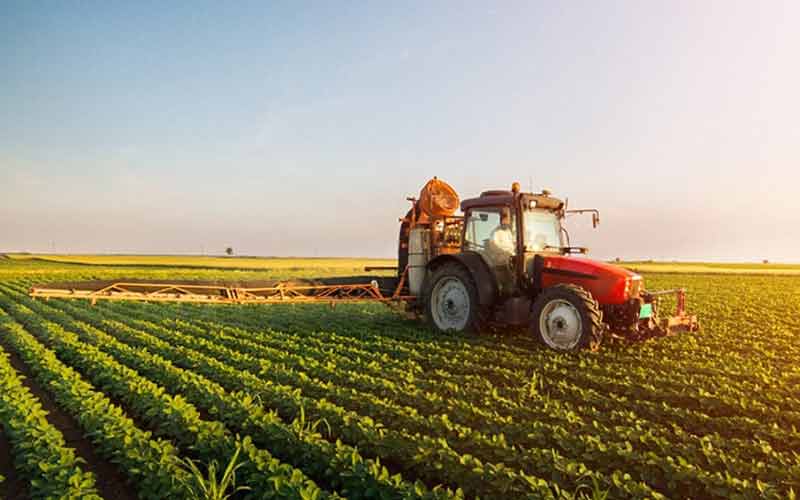
Benefits of modern and vertical farming
From sustainable urban growth to maximizing yields while reducing labor costs, the benefits of modern, vertical farming indoors are clear. Modern agricultural technologies are able to precisely measure and control water, light, and humidity, providing reliable harvests.
On the other hand, by using robots, labor is reduced and handling planting, harvesting, and logistics costs are lower, solving the challenge of labor shortages on farms.
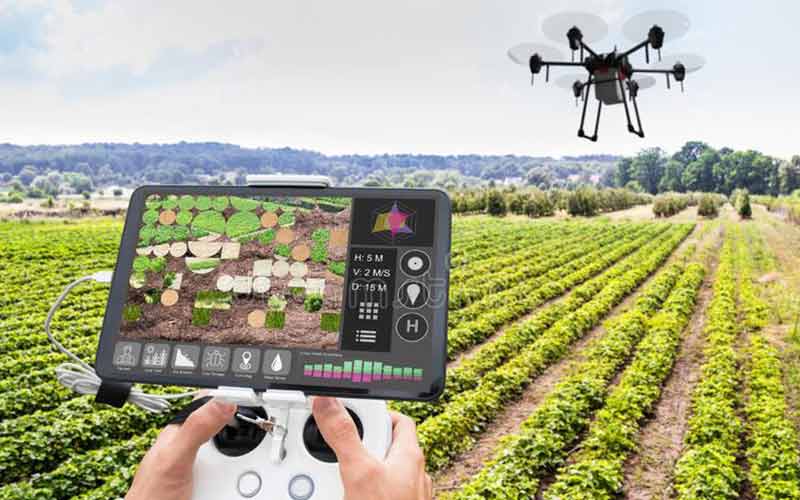
Benefits of farm automation
Farm automation, commonly associated with smart farming, is a technology that can make farms more efficient by automatically guiding the crop production cycle. Today, some advanced farms are working on robotic innovations to develop drones, self-driving tractors, robotic harvesters, automated irrigation, and seeding robots.
Although these technologies are new in modern agriculture, there are many traditional agricultural companies that use farm automation in their farming process, as its main goal is to cover uniform farming and crops. Stay tuned with RebinWeb to learn about new technologies.