

Computer vision is a subset of artificial intelligence that allows machines to mimic the human visual system and automate tasks related to visual recognition. Using image annotation and machine learning techniques, computer vision technology can more accurately identify and decode data items and then take appropriate actions based on what they see.
The evolution of computer vision
Research in computer vision began in the 1960s. The goal was to train computers to compete with human vision. But commercializing computer vision technology was a major challenge because the training program for computer vision technology was primitive.
The program involved feeding the computer with image training data, extracting relevant features, and annotating the features in question, and then the data engineer assigned each module as a guideline for identifying visual features.
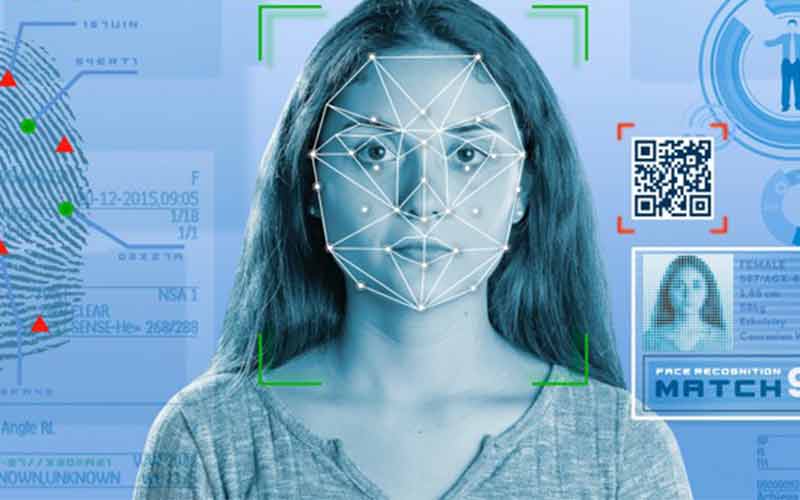
Deep Learning Computer Vision Technology
Deep learning has revolutionized computer vision technology and made it commercially viable for industrial applications. It simplifies the manual extraction process using huge sets of training data and multiple cycles to teach computers about the appearance of an object.
Unlike manual feature extraction, the algorithm automates the entire process and automatically extracts the appropriate parts. Even with previously unseen images, the deep learning computer vision model can still make an accurate prediction.
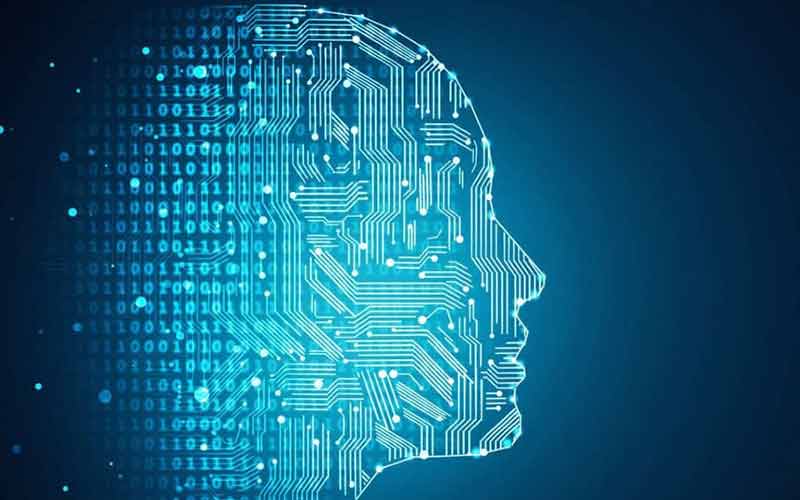
Training data for computer vision
Deep learning advances in computer vision can be attributed to the infinite volume of visual data that exists today. Open access to image data from various sources, such as social media sites and CCTV cameras, has created a scenario where everything is monitored, recorded, and decoded.
Feeding thousands of images teaches a computer vision algorithm to understand the real-world features that make up the larger picture. This increases the learning rate of a computer vision technology model, ultimately delivering accurate performance and efficiency in current computer vision applications such as medical image processing, manufacturing quality control, health monitoring, military operations, traffic analysis, autonomous vehicles, security surveillance, and physical document digitization.

The future of computer vision
Today’s computer vision applications seemed unattainable a few decades ago. And from where we stand, there seems to be no end to the capabilities and future of computer vision technology. Here’s what we can expect to see in the future:
Continuing research and refinement of computer vision technology will enable it to perform a wider range of functions. It will be easier to train and can recognize more images than it can currently. Computer vision will also be integrated with other technologies or sub-branches of artificial intelligence to create more agile applications.
For example, a combination of video captioning and natural language generation (NLG) programs can be used to help visually impaired people understand objects in the environment. To study new technologies in the world, with Rebin Web Stay tuned.