

Big Data and Advanced Data Analytics is the complex process of examining large amounts of data to uncover insights such as advanced patterns, market trends, and customer preferences that can help organizations make informed business decisions. On a large scale, big data analytics technologies and techniques are a way to gather new information. This technology is a form of advanced analytics that involves complex applications with elements such as predictive models, statistical algorithms, and what-if analysis, delivered by analytics systems.
The importance of big data and advanced data analysis
The importance of big data and advanced data analytics is clear to many organizations today. Organizations can use big data analytics systems and software to make data-driven decisions that can improve business outcomes.
These benefits may include more effective marketing, new revenue opportunities, customer personalization, and improved operational efficiency. With an effective strategy, these benefits can create competitive advantages over competitors.
What is big data analytics?
Big data analytics is the often complex process of examining big data to uncover information – such as hidden patterns, correlations, market trends and customer preferences – that can help organizations make informed business decisions.
How Big Data and Advanced Data Analytics Work
In terms of how big data and advanced data analytics work, analysts and data scientists, predictive modelers, statisticians, and other analytics professionals collect, process, cleanse, and analyze the growing volume of structured transactional data as well as other forms of data that are not used by BI applications.
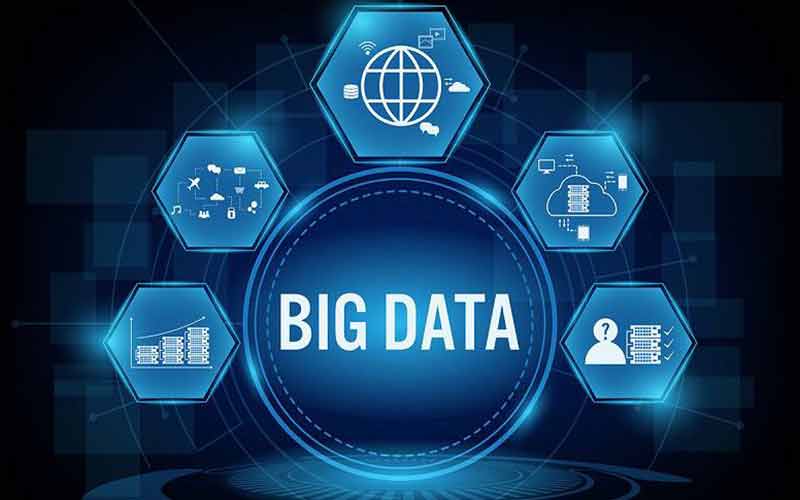
Big data analysis
Here is an overview of the four steps of the big data analytics process:
Professionals collect data from a variety of sources. Often, there is a mix of semi-structured and unstructured data available. While each organization uses different data streams, some common sources include:
- Internet clickstream data;
- Web server reports;
- Cloud applications;
- Mobile apps;
- Social media content;
- Text from customer emails and survey responses;
- Cell phone records;
- Data captured by sensors connected to the Internet of Things (IoT).
Big Data and advanced analytics are information, prepared and processed. After collecting and storing data in the warehouse, professionals need to properly organize, configure, and partition the data. Thorough data preparation and processing enables higher performance of analytical queries. This can be effective in growing and upgrading the organization’s applications.