

Driving autonomous vehicles can create significant value for drivers, the automotive industry, and society. AD can transform the way consumers experience mobility. AD systems and AI-powered autonomous cars may make driving safer, more convenient, and more enjoyable.
New driving experience
The time you would have spent driving on the road before could be used to video call a friend, watch a funny movie, or even work. For employees with long commutes, driving with an AV may increase worker productivity and even shorten the workday.
Since workers can do their work from a self-driving car, they can more easily commute away from the workplace, which in turn could attract more people to rural and suburban areas. Autonomous vehicles may also improve mobility for older drivers, providing them with mobility options that go beyond public transportation or car-sharing services.
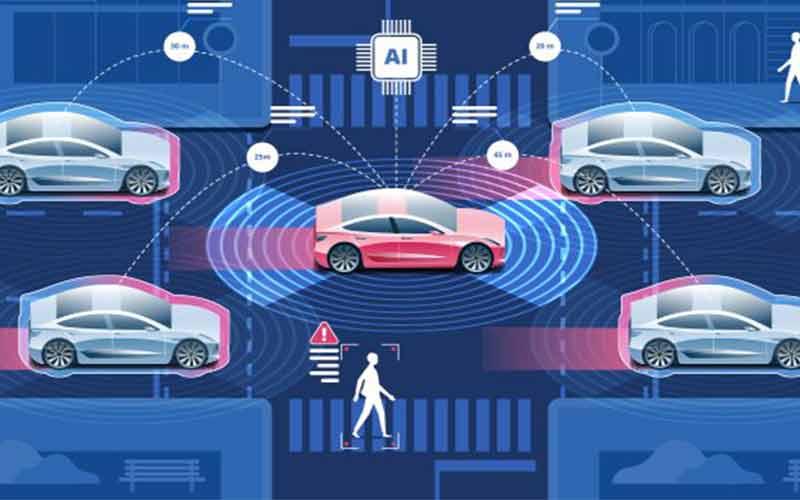
Increasing safety with autonomous vehicles
Safety may also increase with autonomous vehicles, with one study suggesting that the growing adoption of advanced driver assistance systems could reduce the number of accidents by about 15 percent by 2030. Alongside these consumer benefits, AI-powered autonomous cars may create even more value for the auto industry.
The role of AI-powered self-driving cars in the future
The role of AI-powered autonomous cars in the future is already clear. Today, most cars have only rudimentary features, but major advances in AD capabilities are on the horizon. Cars will eventually achieve Society of Automotive Engineers (SAE) or driverless control under certain conditions.
Advanced driver assistance systems for passenger cars and autonomous driving systems could generate between $300 billion and $400 billion in revenue by 2035. The knock-on effects of autonomous vehicles on other industries could also be significant.
For example, by reducing the number of accidents, AD technology could limit the number of consumers who need roadside assistance and repairs. This could put pressure on those types of businesses by increasing consumer adoption of AD.
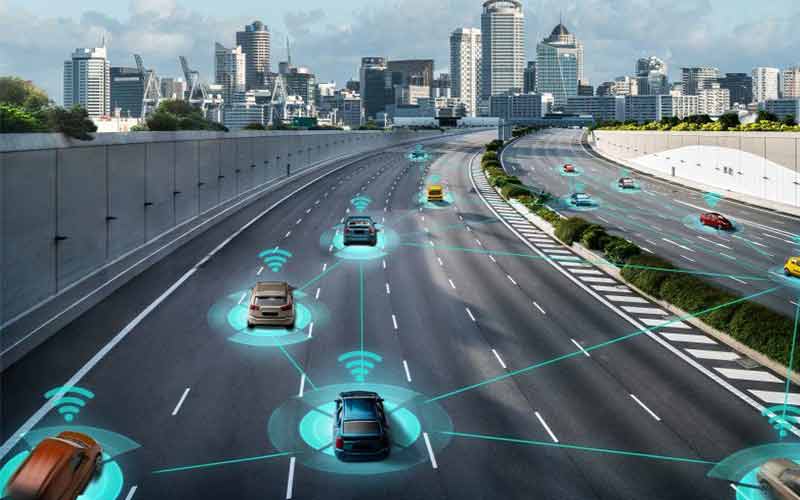
How was AD able to revolutionize the passenger car market?
Given the uncertainty in the automotive industry, it has created three scenarios for the sales and market of autonomous passenger vehicles based on varying levels of technology availability, customer acceptance, and regulatory support. As such, automakers are increasingly pushing back the timelines for the launch of autonomous vehicles, and consumer adoption remains low.
This scenario predicts that in 2030, only 4% of new passenger cars sold will be equipped with L3+ AD functions, rising to 17% for AI-powered autonomous cars in 2035. You can follow new technologies on RebinWeb.