

Voice interfaces and chatbots are among the most widely used applications in various sectors today. Computer programs that simulate human conversation have become commonplace in just a few years. Both voice interfaces and chatbots work in a similar way, using artificial intelligence (AI) and deep learning and natural language processing and natural language generation to understand and respond to them. Here we will talk about voice interfaces and AI chatbots.
New voice interface and chatbot technologies
Although these technologies are based on the same applications, voice interfaces (including digital assistants like Siri and smart speakers like Amazon Alexa) and chatbots interact with users in slightly different ways.
Voice interfaces respond to spoken language commands, while chatbots interact with people through a written chat interface, such as Facebook Messenger or a web-based application. In both cases, the computer uses natural language processing to understand the text and then analyzes the text using artificial intelligence and deep learning algorithms to determine the best response.
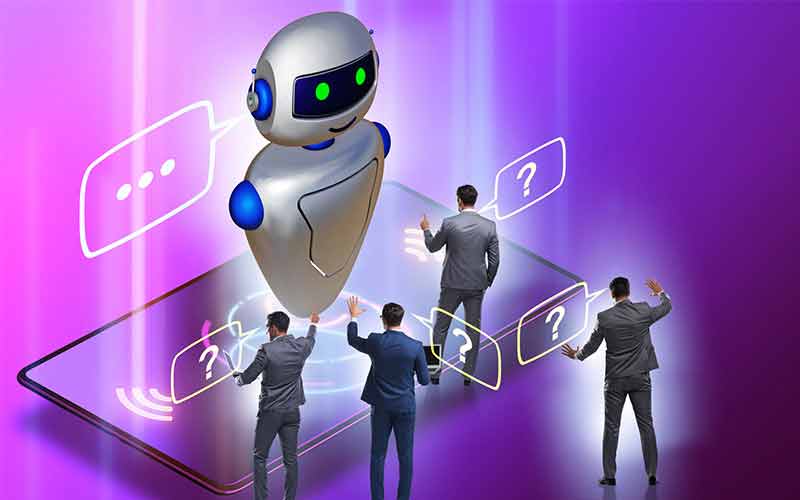
What are audio interfaces?
Along with AI chatbots, voice interfaces allow users to interact with an application or device using spoken voice commands. It gives users complete control of the technology hands-free and without having to look at the device. A combination of Artificial Intelligence (AI) technologies are used to create VUIs Name Entity Recognition, Automatic Speech Recognition, and Speech Synthesis, among others.
These VUIs, like voice interfaces, can also be embedded within applications or devices. The supporting infrastructure in these technologies is used to create the speech components of the VUI and is often stored in a private or public cloud where the user’s speech is processed.
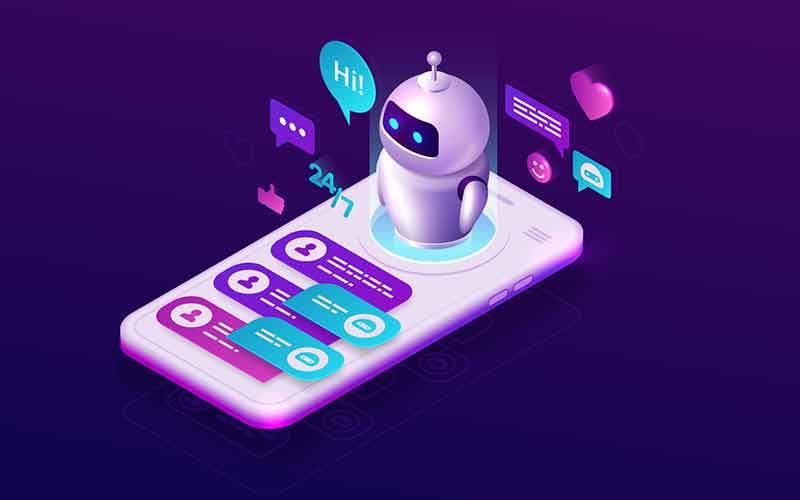
What is an artificial intelligence chatbot?
A chatbot is an artificial intelligence (AI) software that can replace natural language communication with a user through websites, messaging apps, mobile apps, or over the phone. It is often described as one of the most promising and advanced terms. It just represents the natural evolution of a question answering system from a technology perspective.
Designing answers to natural language questions is one of the most common examples of natural language processing used in various enterprise applications. Therefore, chatbots and voice interfaces are at the heart of the new user interface model.
Designing answers to natural language questions is one of the most common examples of natural language processing used in various enterprise applications. Therefore, chatbots and voice interfaces are at the heart of the new user interface model.